Are Operating Costs Being Used Properly - Or Padded?
Operating costs should cover the day-to-day running of a building - not become a second profit centre.
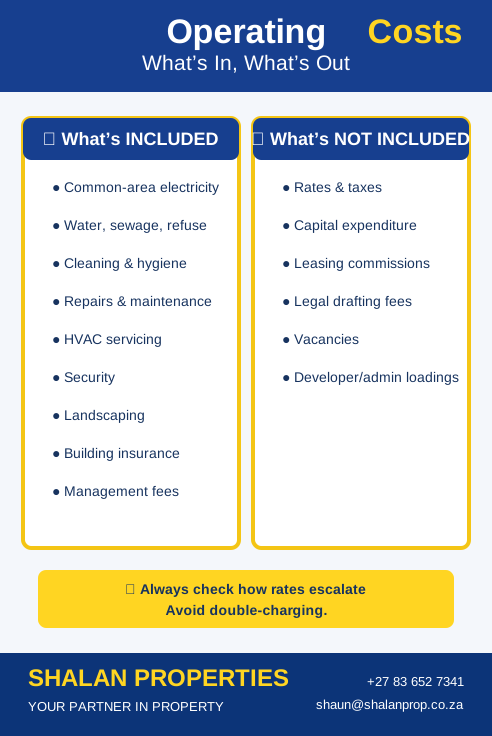
Operating costs, or op costs, are intended to cover the day-to-day running of a commercial or industrial building. Problems arise when charges that should sit elsewhere are added into the op-cost recovery - particularly municipal rates - because tenants can then end up paying for the same cost twice or carrying expenses that should remain with the landlord.
What should be in operating costs?
- Common-area water and electricity
- Cleaning and hygiene
- Repairs and maintenance (non-structural)
- Security
- Landscaping
- Building insurance
- Property management fees
What should not be padded into operating costs?
- Municipal rates and taxes
- Capital upgrades
- Leasing commissions
- Legal fees
- Costs linked to vacant units
- Developer or landlord margin disguised as administration
The biggest risk: double escalation on municipal rates
The most concerning structure is where municipal rates are included in operating costs and the operating-cost charge escalates annually, while the lease also contains a separate clause requiring the tenant to pay all increases in municipal rates. If both mechanisms apply to the same municipal charge, the tenant may effectively absorb two layers of escalation on one cost.
The lease should make the recovery mechanism explicit: what is included, what is excluded, and which items escalate separately.
Before signing the lease, clarify three things
- What expenses are genuinely recoverable through operating costs.
- Which costs remain the landlord’s responsibility.
- How municipal rates, operating-cost escalations and any separate municipal-recovery clauses interact.
The commercial principle is transparency. A tenant should understand the full occupancy cost before committing, while a landlord should be able to explain the basis of every recoverable charge. Clear schedules and well-drafted lease clauses reduce disputes later.
Why this matters
Operating-cost disputes are rarely about one line item in isolation. They arise because the total cost of occupation becomes materially different from what the tenant expected when the deal was agreed. Identifying these issues before signature is far easier than trying to resolve them after occupation.